الإعلامي الدكتور مجدي كامل الهواري يكتب: ما مصير الليرة السورية القديمة في ظل انتشار الليرة الجديدة؟

الإعلامي الدكتور مجدي كامل الهواري يكتب:
ما مصير الليرة السورية القديمة في ظل انتشار الليرة الجديدة؟
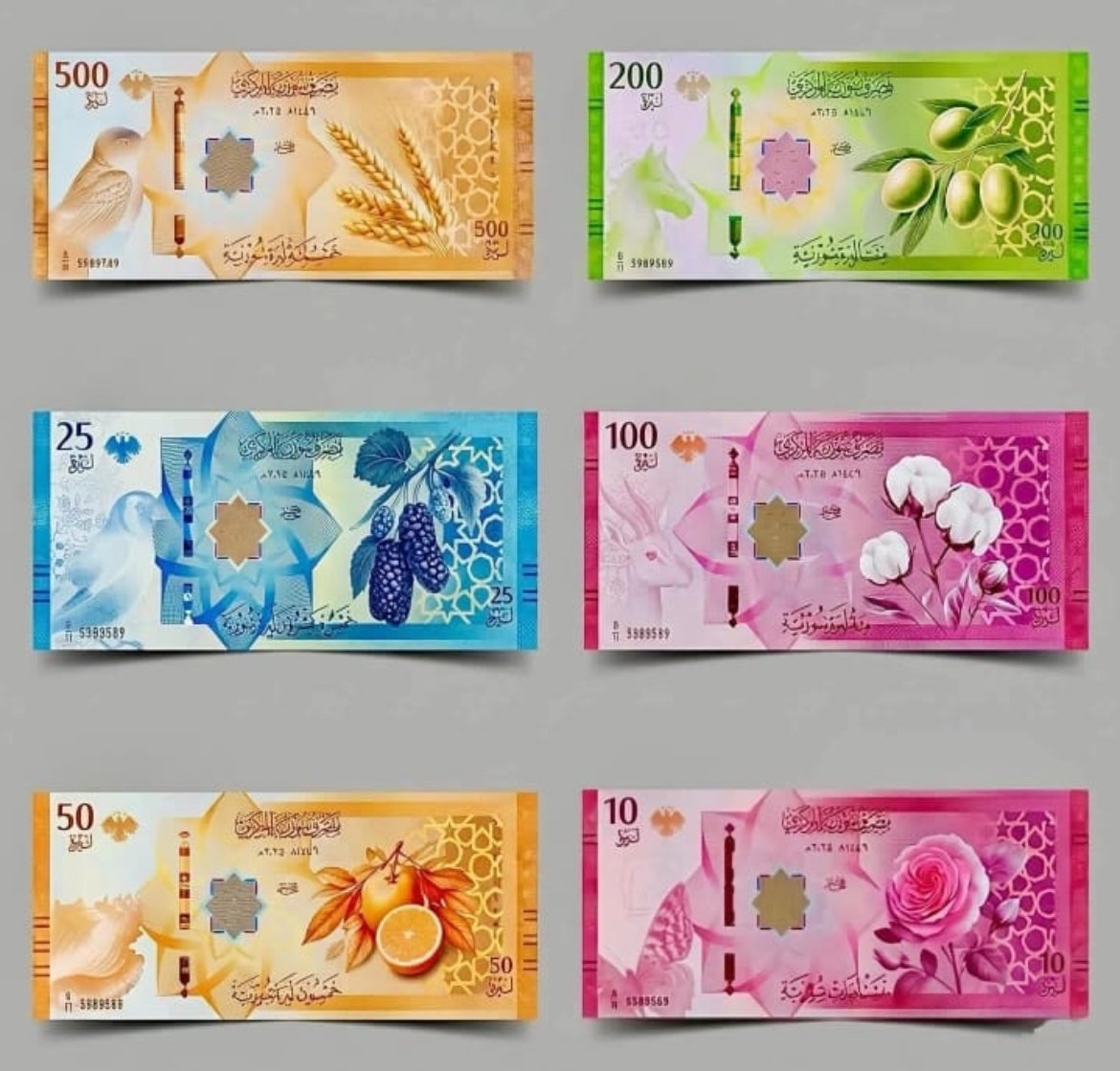
مع تسارع وتيرة استبدال العملة السورية القديمة بالليرة الجديدة، تتواصل الجهود الرسمية لضبط العملية وضمان تنفيذها وفق أعلى معايير الشفافية والانضباط المالي، في خطوة تهدف إلى حماية المال العام وتعزيز الثقة بالسياسات النقدية المتبعة داخل البلاد، في وقت يواجه فيه الاقتصاد السوري تحديات معقدة ومتراكمة.
وفي هذا السياق، يواصل الجهاز المركزي للرقابة المالية في سوريا إشرافه المباشر على مختلف مراحل استلام وفرز وإتلاف العملة السورية القديمة المستبدلة، بدءًا من تسلمها عبر فروع المصارف في المحافظات، وصولًا إلى إتلافها داخل المراكز المعتمدة والمخصصة لهذه الغاية، بما يضمن سلامة الإجراءات ومنع أي تلاعب أو تجاوز.
وأكد الوكيل المشرف على رقابة القطاع الاقتصادي في الجهاز المركزي للرقابة المالية، محمد غفير، أن الجهاز يضطلع بدوره القانوني في مراقبة إجراءات استلام وإتلاف العملة القديمة، والتأكد من سلامتها من الناحيتين القانونية والإدارية، فضلًا عن متابعة الالتزام الصارم بالتعليمات والأنظمة المعمول بها.
وأوضح غفير، وفقًا لوكالة الأنباء السورية «سانا»، أن المتابعة تتم بشكل دائم لضمان تطابق الإجراءات مع القوانين النافذة، وتحقيق أعلى درجات الشفافية، ومنع أي إساءة استخدام أو هدر للمال العام، مشيرًا إلى أن عمليات الاستلام والإتلاف تُنفذ بالتنسيق الكامل مع مصرف سوريا المركزي والجهات المختصة في جميع مراحلها.
وتأتي هذه الإجراءات ضمن إطار السياسات النقدية الهادفة إلى تحديث الكتلة النقدية، وتحسين كفاءة التداول المالي، والحد من المشكلات الفنية المرتبطة بتقادم الأوراق النقدية، إلى جانب تعزيز قدرة المصرف المركزي على مراقبة حركة السيولة وضبطها بما يخدم الاستقرار النقدي.
الأثر الاقتصادي لتغيير العملة
اقتصاديًا، يُنظر إلى استبدال العملة القديمة بالجديدة باعتباره إجراءً تنظيميًا يسعى إلى إعادة ترتيب المشهد النقدي وضبط الكتلة النقدية المتداولة، بما يساهم في تقليل الفوضى النقدية، ومكافحة التزوير، وتحسين كفاءة التعاملات المالية. غير أن هذه الخطوة، رغم أهدافها المعلنة، غالبًا ما تكون مصحوبة بحالة من الترقب في الأسواق، وقد تشهد حركة البيع والشراء تباطؤًا مؤقتًا نتيجة القلق من نقص السيولة أو سوء فهم إجراءات الاستبدال.
كما أن أي خلل في التنفيذ أو ضعف في التواصل مع الشارع الاقتصادي قد ينعكس سلبًا على الأسعار، ويزيد من حالة عدم الاستقرار، لا سيما في اقتصاد يعاني أصلًا من ضغوط التضخم وتراجع القدرة الإنتاجية.
انعكاسات القرار على المواطن السوري
أما على المستوى الشعبي، فإن تغيير العملة يثير مخاوف حقيقية لدى قطاعات واسعة من المواطنين، في ظل الظروف المعيشية الصعبة وتراجع القوة الشرائية. فالهواجس المرتبطة بفقدان المدخرات، أو التعقيدات الإدارية، أو ضيق المهل الزمنية للاستبدال، تشكل مصدر قلق خاص لكبار السن وأصحاب الدخول المحدودة.
ويرى مراقبون أن نجاح هذه الخطوة لا يتوقف فقط على سلامة الإجراءات الفنية، بل يرتبط بشكل وثيق بمدى وضوح التعليمات، وسهولة الوصول إلى مراكز الاستبدال، وضمان عدم تحميل المواطن أعباء إضافية مباشرة أو غير مباشرة. فالثقة الشعبية تظل العامل الحاسم في أي إصلاح نقدي، إذ لا يمكن لأي سياسة مالية أن تحقق أهدافها دون شعور المواطن بالأمان على أمواله ومستقبله المعيشي.
وفي المحصلة، يبقى مصير الليرة السورية القديمة محسومًا بالإتلاف وفق الأطر القانونية المعلنة، بينما يظل الرهان الحقيقي معقودًا على قدرة الليرة الجديدة على استعادة جزء من الثقة المفقودة، وتحقيق قدر من الاستقرار النقدي ينعكس فعليًا على حياة المواطن، لا أن يبقى مجرد إجراء إداري في دفاتر المؤسسات.
Media Professional Dr. Magdi Kamel El-Hawary Writes:
What Is the Fate of the Old Syrian Pound Amid the Circulation of the New Currency?
As Syria accelerates the process of replacing the old Syrian pound with the newly issued currency, official efforts continue to regulate the transition and ensure it is carried out in accordance with the highest standards of transparency and financial discipline. This step comes as part of broader measures aimed at protecting public funds and reinforcing confidence in the country’s monetary policies, at a time when the Syrian economy is facing complex and accumulated challenges.
In this context, the Central Agency for Financial Control (CAFC) in Syria maintains direct oversight of all stages related to the receipt, sorting, and destruction of the old currency. These stages begin with the collection of old banknotes at bank branches across the governorates and conclude with their destruction at officially designated centers, ensuring the integrity of procedures and preventing any form of manipulation or abuse.
Mohammad Ghafier, the Deputy Head overseeing economic sector control at the Agency, confirmed that the CAFC is fulfilling its legal mandate by monitoring the procedures for receiving and destroying the old Syrian currency. He stressed the importance of verifying the legal and administrative soundness of these measures, as well as ensuring strict compliance with approved regulations and instructions.
According to the Syrian Arab News Agency (SANA), Ghafier explained that continuous monitoring is conducted to guarantee full alignment with applicable laws, achieve the highest levels of transparency, and prevent any misuse or waste of public funds. He added that the processes of receipt and destruction are carried out in full coordination with the Central Bank of Syria and the relevant authorities at all stages.
These measures fall within a broader monetary policy framework aimed at modernizing the cash supply, improving the efficiency of monetary circulation, and addressing technical problems associated with worn and outdated banknotes. They also seek to strengthen the Central Bank’s ability to monitor liquidity movements and maintain monetary stability.
The Economic Impact of Currency Replacement
From an economic perspective, the replacement of the old currency with new banknotes is viewed as an administrative and regulatory step intended to reorganize the monetary landscape and better control the volume of cash in circulation. This may contribute to reducing monetary disorder, combating counterfeiting, and improving the efficiency of financial transactions.
However, such measures are often accompanied by a period of market caution and uncertainty. Commercial activity may temporarily slow down as a result of concerns over liquidity shortages or misunderstandings related to exchange procedures. Any shortcomings in implementation or weak communication with the business community could negatively affect prices and further strain an economy already grappling with inflationary pressures and declining productive capacity.
Impact on the Syrian Population
At the popular level, the currency change has raised genuine concerns among wide segments of the Syrian population, particularly in light of difficult living conditions and the continued erosion of purchasing power. Fears related to the loss of personal savings, administrative complications, or limited timeframes for currency exchange are especially pronounced among the elderly and low-income groups.
Observers argue that the success of this step depends not only on the technical soundness of the procedures, but also on the clarity of official instructions, ease of access to exchange centers, and assurances that citizens will not bear additional direct or indirect burdens. Public trust remains the decisive factor in any monetary reform, as no financial policy can achieve its objectives without citizens feeling secure about their savings and economic future.
Ultimately, while the fate of the old Syrian pound appears sealed through destruction under declared legal frameworks, the real challenge lies in whether the new currency can restore a measure of lost confidence and deliver tangible monetary stability—one that positively impacts citizens’ daily lives rather than remaining a purely administrative measure.
dr . magdi kamel elhwary .