Dr. Magdy Kamel El-Hewary writes : Iran Announces Exemption for Iraq from Any Restrictions in the Strait of Hormuz, Praises Iraqi People as “A Source of Pride for Muslims Worldwide”

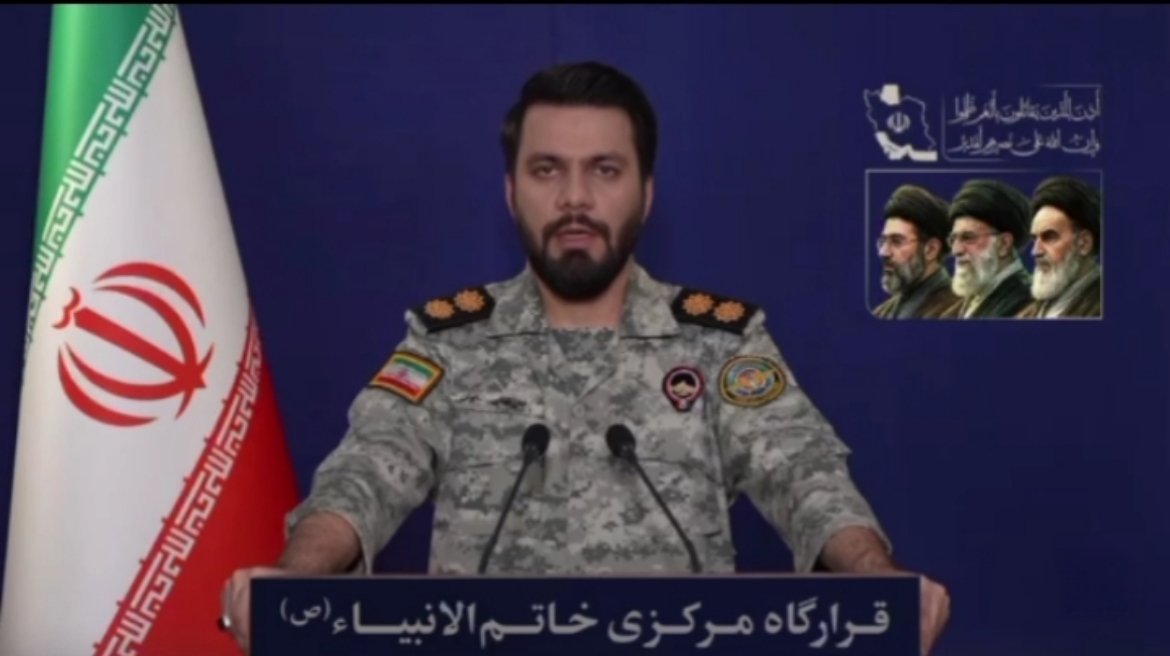
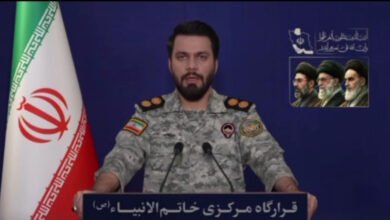
In a move carrying significant political and strategic implications, Iran—through the Khatam al-Anbiya Headquarters—announced that Iraq would be exempt from any potential restrictions in the Strait of Hormuz. The announcement coincided with an official message addressed to the Iraqi people, describing their stance as one that will be recorded in the pages of history, and affirming that they represent “a source of pride for Muslims worldwide.”
Official Statement
The message addressed to the Iraqi people read:
“Your positions and actions will be recorded in the pages of history.
We hold the sovereignty of Iraq in the highest regard.
Your struggle in confronting the United States is worthy of respect and admiration.
You have proven yourselves to be a nation that neither submits nor yields to systems of dominance.
The Iranian people extend their highest expressions of respect and honor to the souls of Iraq’s martyrs, particularly those of the resistance factions and the Popular Mobilization Forces.
We highly value the positions of scholars and religious authorities in Iraq, especially the Shiite religious establishment.
O dear people of Iraq, you are a source of pride for Muslims around the world. We take pride in your courage and resilience.”
Political Analysis: What Lies Behind the Message
This step cannot be viewed in isolation from escalating regional tensions, particularly amid recurring discussions about the potential closure of the Strait of Hormuz—one of the world’s most critical energy corridors, through which a substantial share of global oil exports passes.
The explicit exemption of Iraq carries several strategic messages:
■ Strengthening Regional Alliances
Iran seeks to reinforce its relationship with Iraq—not merely as a neighboring state, but as a political and security partner. The praise directed at the Popular Mobilization Forces and religious authorities underscores Tehran’s continued support for key influence networks within Iraq.
■ A Message to the United States
The reference to confronting the United States reflects the continuation of indirect political confrontation, reaffirming Iraq’s central role as a key arena in this broader geopolitical struggle.
■ Managing the Strait of Hormuz Equation
Exempting Iraq from potential restrictions suggests that Iran aims to present itself as a calculated and controlled actor, using economic leverage selectively to serve its strategic interests and alliances.
■ The Religious and Symbolic Dimension
Highlighting the role of Shiite religious leadership reinforces the ideological component of Iran-Iraq relations, granting Tehran a form of soft power that extends beyond politics into societal and religious influence.
Deeper Implications
■ Iran positions itself as a protector of select regional actors
■ The message introduces a clear differentiation among regional states based on political alignment
■ The Strait of Hormuz is being employed as a selective pressure tool rather than a comprehensive measure
Conclusion
Iran’s message to Iraq goes beyond a gesture of political goodwill. It reflects an emerging map of alliances and a recalibration of influence across the region.
Beneath the language of praise and solidarity lies a complex set of calculations tied to power dynamics, geopolitical competition, and control over critical economic arteries.
The key question remains:
Are we witnessing the emergence of a new phase of selective alliances in the Middle East, or is this merely a tactical message within a much larger geopolitical contest?